
Sump Pump Repair
Basement Protection That Works When It Matters
Sump Pump Repair in Flint for systems that won't activate during heavy rain
All Water and Drains repairs sump pumps in Flint that fail to remove water when basements need protection most. You need this service when your pump hums but won't discharge water, when the float switch stays in one position regardless of water level, or when the motor trips your breaker during operation. Heavy spring runoff and storm events in Flint expose pump weaknesses quickly, often at the worst possible moment.
Repair work addresses power supply interruptions, float switch malfunctions that prevent pump activation, clogs in the discharge line that block water removal, and motor problems that stop the impeller from spinning. Each component plays a specific role in moving water out of your sump basin, and when one part fails, the entire system stops protecting your basement.
Schedule a diagnostic evaluation to identify which components are causing your sump system to malfunction.
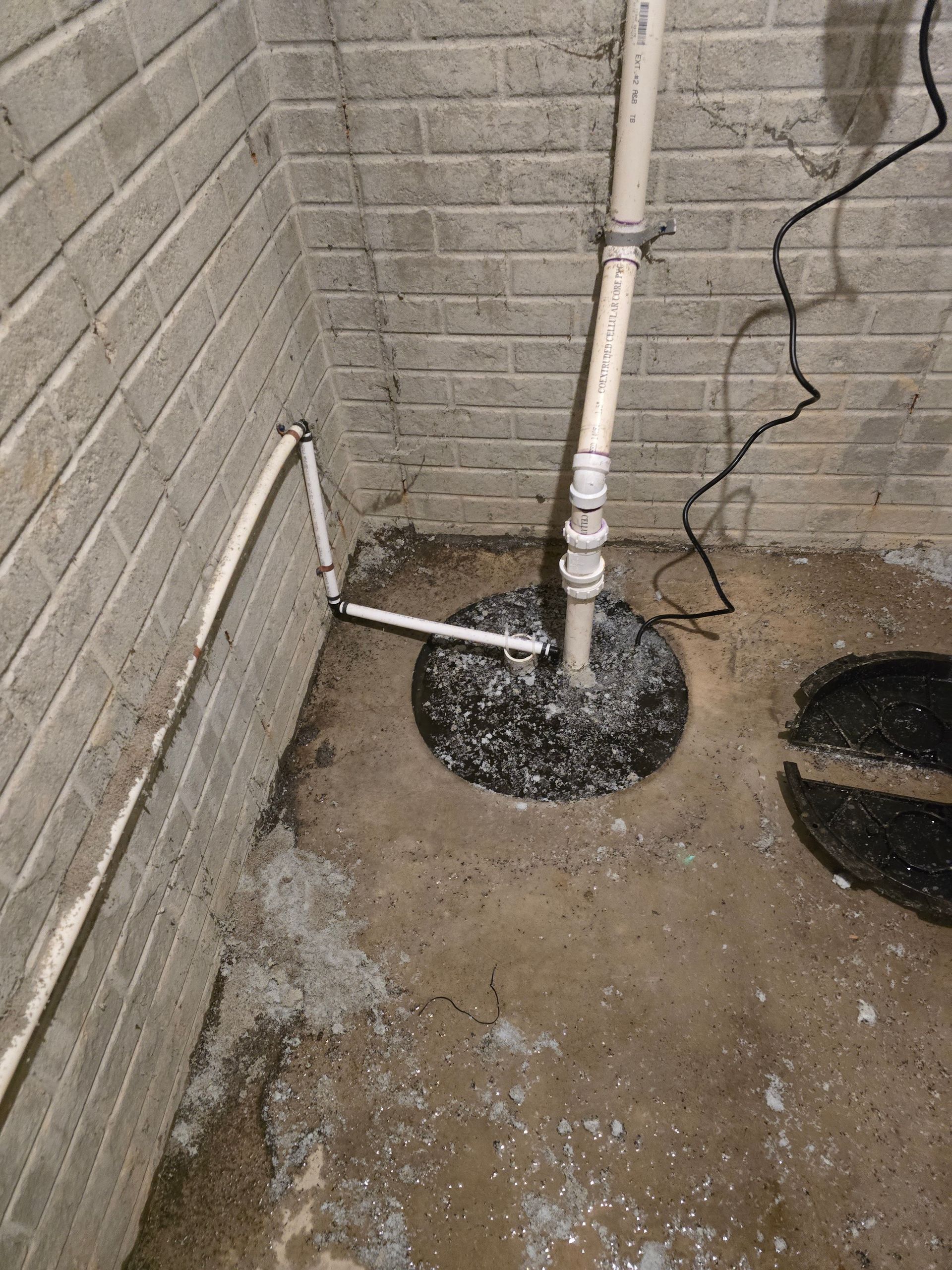
How Proper Repairs Restore Water Removal
Repair involves testing the float switch to confirm it moves freely and signals the pump to start, clearing blockages from discharge lines that prevent water from exiting the system, and evaluating motor function to determine if electrical components need replacement. Each repair step targets the specific failure point rather than replacing the entire pump assembly unnecessarily.
After repair, your pump activates automatically when water reaches the trigger level, the discharge line carries water away from your foundation without backup or overflow, and the motor runs through complete cycles without overheating or tripping breakers. You'll notice the sump basin empties consistently during wet weather instead of filling beyond safe levels.
Some repairs require component replacement while others involve cleaning and adjustment, depending on what diagnostic testing reveals about your system. Discharge line repairs may include rerouting if the existing line slopes incorrectly or freezes during winter months, which affects how reliably water exits your property.
What Homeowners Usually Ask
Sump pump problems often show warning signs before complete failure, and understanding what causes common issues helps you recognize when your system needs professional attention.
- What causes a sump pump to stop working during storms? Power failures from electrical surges, float switches stuck in the off position due to debris accumulation, and clogged discharge lines from ice or sediment are the most frequent causes, with each preventing the pump from completing its water-removal cycle.
- How do you know if the float switch or the motor is the problem? Testing involves manually lifting the float to see if the motor engages—if the pump activates with manual float movement but not automatic water level rise, the float mechanism needs adjustment or replacement rather than motor work.
- When should a sump pump be repaired versus replaced? Pumps under seven years old with isolated component failures typically benefit from targeted repairs, while units beyond ten years with motor problems or multiple failing parts often cost less to replace than repair given labor and part expenses.
- What happens if a discharge line freezes in Flint winters? Frozen discharge lines create backpressure that prevents water from leaving the basin, causing the pump to run continuously without emptying the sump, which leads to motor burnout and potential basement flooding once the pump fails completely.
- How long does sump pump repair typically take? Most repairs involving float switches, basic clogs, or electrical connections complete within two hours, while discharge line work or motor replacement may require additional time depending on access and system configuration.
All Water and Drains addresses sump system failures throughout Flint with diagnostic accuracy that identifies the actual problem rather than guessing at solutions. Arrange an inspection to determine what your pump needs to function reliably through the next storm cycle.